
How to Choose the Right Power Tool for Your Next Project
Choosing the right power tool can make every project faster, easier, and more efficient. From drills and impact drivers to saws and grinders, discover what to consider when selecting the right tool for your needs, including power, durability, ergonomics, and versatility.
 Admin
Admin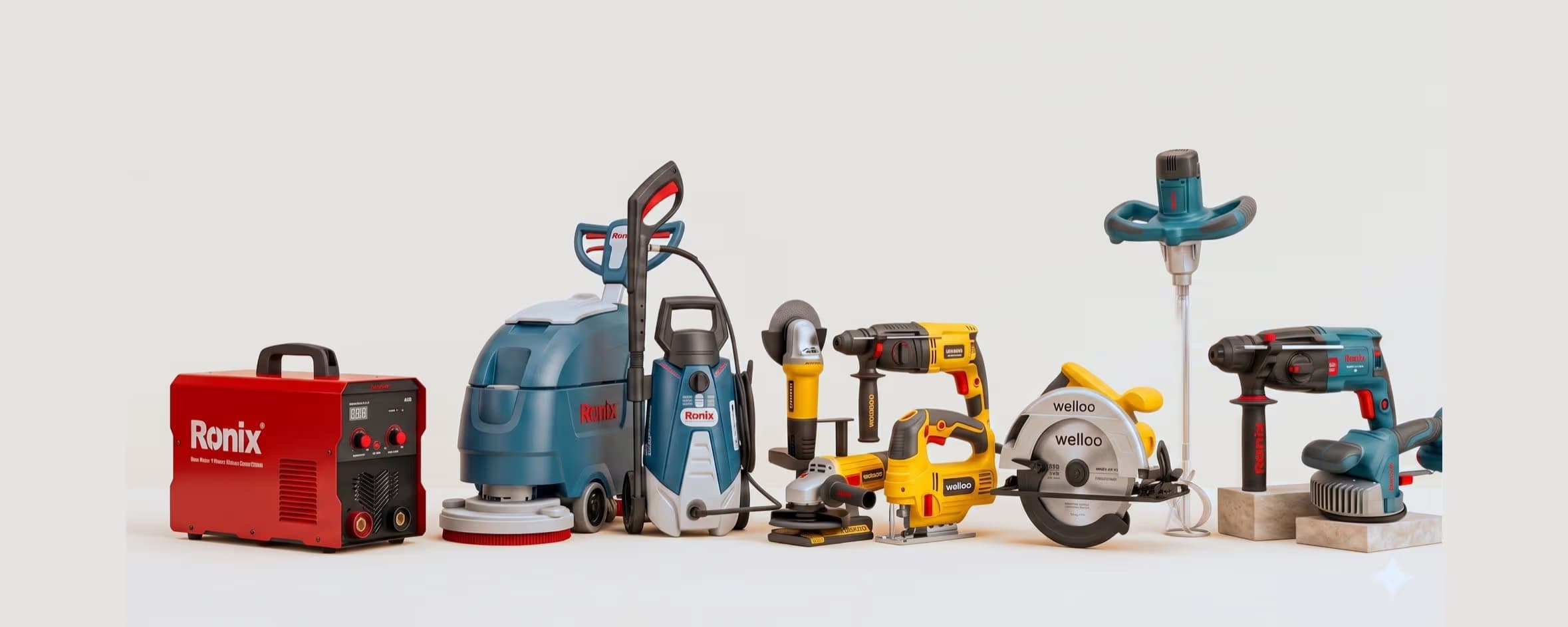
Whether you're a professional contractor, tradesperson, or a DIY enthusiast, having the right power tool can make the difference between a job that takes hours and one that gets done quickly and efficiently.
With so many drills, saws, grinders, impact drivers, and other tools available, choosing the right one can sometimes feel overwhelming. The good news is that once you understand what to look for, selecting the right tool becomes much easier.
1. Start With the Job You Need to Do
The best power tool isn't necessarily the most powerful one—it's the one that matches your project.
For example:
- Drills are ideal for creating holes and driving screws.
- Impact drivers provide higher torque for fastening screws, bolts, and other hardware.
- Circular saws are excellent for making fast, straight cuts through wood and other materials.
- Angle grinders are useful for cutting, grinding, polishing, and surface preparation.
- Rotary hammers are designed for demanding drilling and chiseling in concrete and masonry.
- Jigsaws are useful when you need curved or detailed cuts.
Before buying a tool, consider the material you'll be working with, the frequency of use, and the type of work you expect to perform.
2. Consider Power and Performance
Power is one of the most important factors when choosing a tool, but more power isn't always better.
A tool with too little power may struggle with demanding applications, while an unnecessarily powerful tool can be heavier, harder to control, and more expensive.
Look for specifications that match your intended application. Depending on the tool, these may include:
- Motor power
- Torque
- No-load speed
- Impact rate
- Cutting capacity
- Battery voltage and capacity
For occasional DIY projects, a compact tool may provide everything you need. For professional or continuous use, investing in a higher-performance tool can provide better productivity and durability.
3. Corded or Cordless?
One of the biggest decisions when buying a power tool is whether to choose a corded or cordless model.
Corded tools provide continuous power without needing to recharge a battery. They're particularly useful for extended jobs where maximum runtime is important.
Cordless tools offer freedom of movement and are especially convenient when working in locations without easy access to electricity.
Modern battery-powered tools have become increasingly capable, making cordless systems a practical choice for many professionals as well as DIY users.
If you use several cordless tools, consider choosing a battery platform that allows the same batteries to work across multiple compatible tools. This can reduce the number of batteries and chargers you need to purchase.
4. Don't Overlook Ergonomics
A powerful tool isn't very useful if it's uncomfortable to use.
Pay attention to the tool's:
- Weight
- Handle design
- Balance
- Grip
- Vibration levels
- Trigger or switch placement
This becomes particularly important when you're using a tool for several hours.
A well-balanced tool can reduce fatigue and make it easier to maintain control, helping you work more comfortably and accurately.
5. Look at Build Quality and Durability
Power tools are often used in demanding environments. Construction sites, workshops, and garages can expose tools to dust, impacts, moisture, and heavy workloads.
When comparing tools, look beyond the specifications. Consider the quality of the housing, motor, chuck, gearbox, switches, and other critical components.
It's also worth checking the manufacturer's warranty and availability of replacement parts and accessories.
A tool that lasts longer can offer better value than a cheaper tool that needs to be replaced frequently.
6. Think About the Accessories
The tool itself is only part of the equation.
The right drill bits, saw blades, grinding discs, sockets, sanding accessories, and other attachments can significantly affect performance.
Always make sure the tool you choose supports the accessories you'll need for your applications.
Using the correct accessory can improve both results and tool life.
7. Invest in Tools That Grow With Your Needs
Your first power tool purchase doesn't have to be your last.
If you're building a workshop or tool collection, consider how each purchase fits into your future needs. A cordless platform with multiple compatible tools, for example, can make it easier to expand your collection over time.
Instead of buying tools based solely on what's needed today, think about the projects you expect to take on in the future.
The Right Tool Makes the Job Easier
Choosing a power tool doesn't have to be complicated. Start by understanding the job, then consider power, portability, ergonomics, durability, accessories, and long-term value.
The right tool should help you work faster, more comfortably, and with greater confidence.
Whether you're assembling furniture at home, building a project in your workshop, or working on a professional job site, choosing the right equipment is an investment in better work.
Ready to find your next tool? Explore our range of professional-grade power tools and find the equipment designed to get the job done.
Frequently asked questions
Is this a good product?
yes this is a good product
Was this useful?
Products mentioned in this article
Comments
No comments yet. Be the first to share your experience.
Related articles
Abuja's Premier Power & Construction Tools Supplier: Equip Your Projects for Success
For businesses and individuals in Abuja seeking to equip their projects for success, finding a dependable construction tools supplier is paramount. This isn't just about acquiring equipment; it's about investing in efficiency, safety, and the ultimate quality of your finished product.
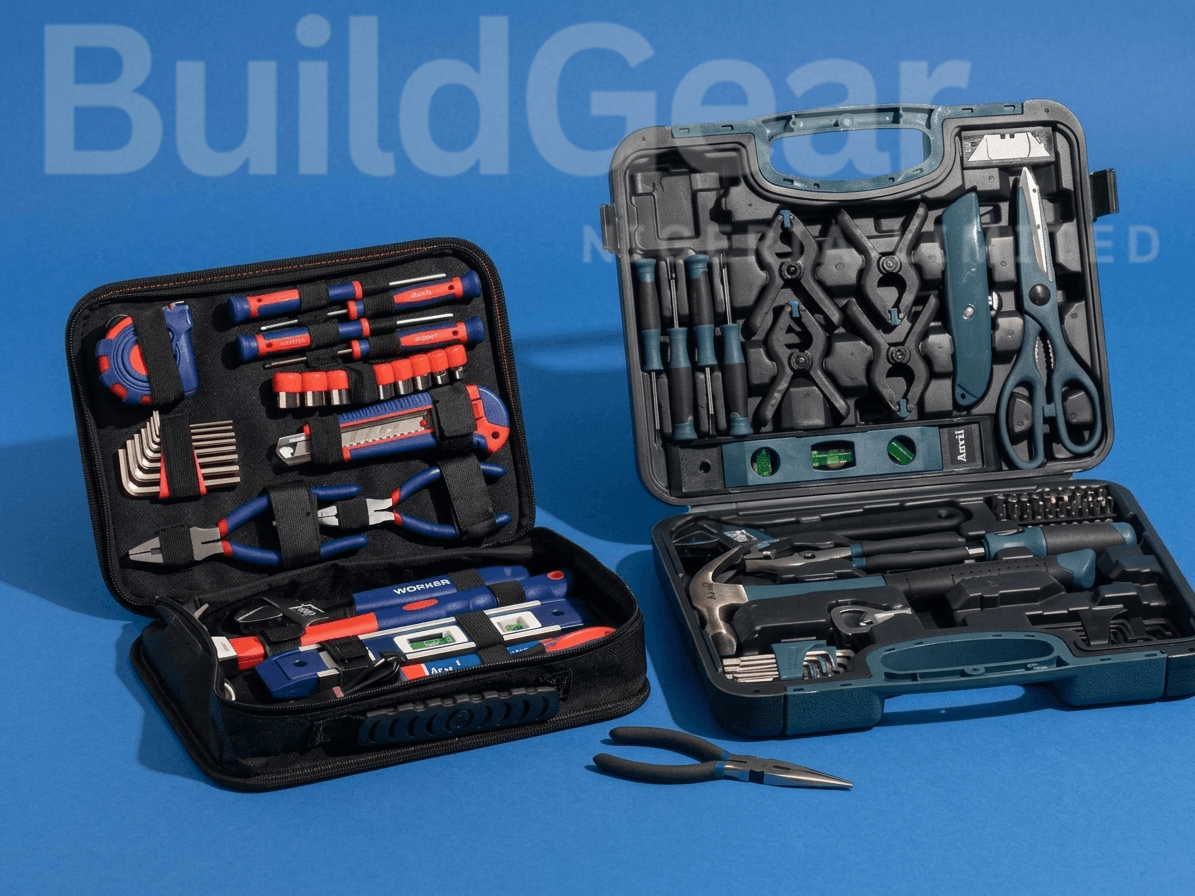
The Ultimate DIY Starter Kit: How to Build Your Essential Home Toolbox
From hanging wall art to assembling furniture, every home needs a reliable toolkit. Here is your complete step-by-step guide to assembling an essential home toolbox.